Learn

Deload Weeks: What They Are + How to Do One

A deload isn't slacking off — it's a deliberate, short easing of training stress so the fatigue you've built up can clear and your body can finish adapting. Here's what a deload is, when to take one, the signs you need one, and exactly how to run it.

A deload is a planned, short period — usually about a week — of reduced training stress, meaning lower volume and/or intensity, that lets accumulated fatigue clear so adaptation can catch up (you often come back stronger). Many intermediates deload roughly every 4 to 8 weeks, but the better cue is need: when performance, motivation, sleep or joints tell you fatigue has piled up. To run one, keep your normal movement patterns and either cut volume by about 40 to 60 percent, reduce load to roughly 60 to 70 percent of your working weights, or do a bit of both — then return to normal the next week.

fatigue ↑ weeks → deload deload deload strength ↑
Fatigue builds over a few hard weeks; a deload drops it so adaptation catches up — and long-term strength keeps trending up.

What is a deload week?

A deload is a short, intentional dip in training stress built into your program so that fatigue can drain while adaptation continues. Hard training doesn't just build strength and muscle — it also accumulates fatigue, and that fatigue can eventually mask your progress and make good sessions feel like a grind. A deload steps the demand back for a brief window, usually around a week, so your body can shed that fatigue and express the fitness you actually built. It's the counterpart to progressive overload: you can't keep pushing demand upward forever without occasionally backing off to recover. Think of it as a scheduled exhale rather than a break in the plan.

Why does a deload make you stronger?

It sounds backwards that training less can make you perform better, but adaptation happens during recovery, not during the hard sessions themselves. When you train hard for weeks, fitness and fatigue both rise. Fatigue tends to mask the fitness you've gained, so your true capacity is higher than the tired numbers on the bar suggest. A deload lets fatigue fall faster than fitness, so what's left is the adaptation you earned — which is why lifters frequently come back from a deload feeling springy and hitting weights that felt heavy the week before. This is the same recovery logic behind muscle recovery between sessions, just applied across a whole training block.

How often should you deload?

There's no single right answer, and this is genuinely individual and debated. As a common starting point, many intermediate lifters schedule a deload roughly every 4 to 8 weeks — often at the end of a training block. But a fixed calendar is only a default. The more reliable trigger is need: deload when your performance, motivation, sleep or joints tell you fatigue has accumulated. Newer lifters recover quickly and often need them less often; more advanced lifters training with high volume and intensity tend to need them more predictably. The right frequency depends on your training stress, your life stress, sleep, and nutrition — so treat any number as a guide, not a rule.

What are the signs you need a deload?

A scheduled deload is fine, but your body will also tell you when one is overdue. Watch for a cluster of these signs rather than any single one on an off day.

SignWhat it looks like
Stalled performanceWeights that used to move now feel stuck, or lifts are slowly declining
Unusual fatiguePersistently drained, sessions feel harder than the load justifies
Poor sleepTrouble falling or staying asleep despite being tired
Low motivationDreading training you normally look forward to
Nagging jointsAchy, cranky elbows, knees or shoulders that linger between sessions
Elevated resting heart rateWaking heart rate running higher than your usual baseline

If several of these show up together, that's a strong cue to deload — and if they persist even after backing off, it may be worth reading about overtraining vs overreaching and, for stubborn symptoms, seeing a professional.

How to run a deload (step by step)

A deload is simple: keep training the same movements, but lower the stress for about a week. You have a few options for how you reduce that stress, and any of them works.

  1. Keep your movement patterns. Train the same lifts you normally would — a deload lowers the load or the sets, it doesn't stop you training.
  2. Cut volume, reduce intensity, or both. The most common approach is to cut volume by roughly 40 to 60 percent (do fewer working sets). Alternatively, reduce load to about 60 to 70 percent of your normal working weight. Doing a bit of both is fine too.
  3. Leave reps in reserve. Stop each set well short of failure. The point is to move well and recover, not to grind.
  4. Hold it for about a week. Support the week with good sleep and adequate nutrition so fatigue genuinely clears.
  5. Return and resume progressing. The next week, go back to your normal weights and volume. You'll often feel fresher and can pick progressive overload back up.

There's no need to overthink which method to pick. If your joints feel beat up, lean toward cutting load; if you're just generally fatigued, cutting volume often feels best. The deload is meant to be easy, not another puzzle.

Where deloads fit in your program

Deloads are a core tool of periodization — the practice of organising training into blocks that rise in demand and then step back to recover. A typical structure builds intensity or volume over several weeks, then inserts a deload to shed fatigue before the next block climbs again. This "wave" pattern is what lets you keep progressing over months instead of stalling out after a few good weeks. Used well, a deload isn't lost time; it's the reset that makes the following weeks productive. If you train without any planned backing-off, you're relying on luck to recover — and eventually the fatigue wins.

Common deload mistakes

How to track your deloads (and how LiftHero helps)

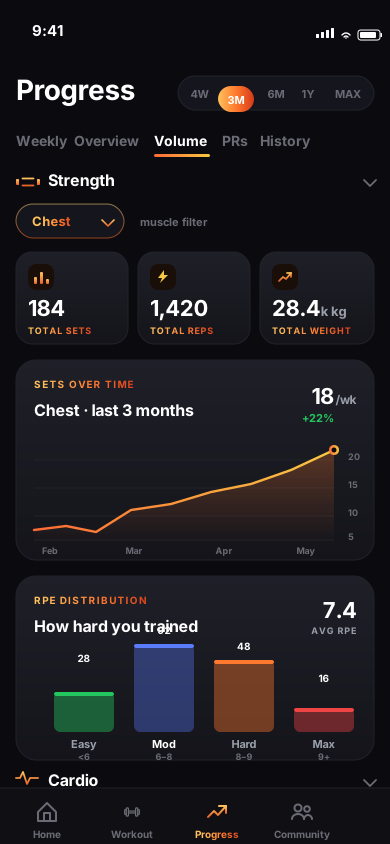
LiftHero makes it easy to see when a deload is due and to run one cleanly. Because it logs your sets, reps, weight and RPE over time and adds soreness and readiness notes, you can spot the trend — stalling numbers, rising effort at the same load — that tells you fatigue has built up. During the deload week you simply log your lighter sessions the same way, so the reduction is deliberate and visible rather than guessed at. To be clear about what the app is and isn't: LiftHero is the measurement layer, not a coach. It does not auto-generate or auto-adjust your program and won't schedule deloads for you — you decide when to back off, and the app helps you see why and track it. Saving a full structured plan is an optional Hero feature.
LiftHero progress chart showing performance over a training block including a deload
LiftHero charts weight and volume over time, so a fatigue-driven stall — and the fresh rebound after a deload — is easy to see.

Frequently asked questions

What is a deload week?

A deload is a planned, short period — usually about a week — of reduced training stress, meaning lower volume and/or intensity. It lets accumulated fatigue clear so your body can finish adapting to prior training, and you often come back stronger.

How often should I deload?

There's no universal number. Many intermediate lifters deload roughly every 4 to 8 weeks, but the better trigger is need: deload when performance, motivation, sleep or joints tell you fatigue has built up. It's individual and debated.

How do I actually do a deload?

Keep your usual movement patterns and reduce the stress: cut volume by roughly 40 to 60 percent, or drop load to around 60 to 70 percent of your working weights, or do a bit of both. Leave several reps in reserve and run it for about a week.

What are the signs I need a deload?

Common signs are stalled or declining performance, unusual fatigue, poor sleep, low training motivation, and nagging or achy joints. These signal accumulated fatigue rather than a lack of effort.

Will I lose muscle or strength during a deload?

A well-run week-long deload is far too short to lose meaningful muscle or strength — you keep training, just lighter. Most people return performing the same or better once fatigue clears.

Is a deload the same as taking a week off?

Not quite. A deload keeps you training with reduced stress, which maintains the habit and movement skill. Complete rest works too, but a structured deload is usually the smoother way to shed fatigue and stay in rhythm.

Track your deload

Log sets, reps, weight, RPE and soreness notes so you can see when to back off — and prove your deload worked. Free on iOS.

Download on theApp Store

Free to start · No interruptive ads · 14-day Hero trial

This guide is educational and not medical advice. Consult a qualified coach or medical professional before starting or changing a training program.

By Meitar Lazimi, founder of LiftHero · Last updated July 9, 2026.