Learn

Overtraining vs Overreaching: Signs & Prevention

"I think I'm overtrained" is one of the most over-used phrases in the gym — and it's usually wrong. Most people who feel wrecked are simply under-recovered. Here's the real difference between overreaching and overtraining, the signs to watch for, and how to prevent digging yourself into a hole.

Overreaching is short-term accumulated fatigue you bounce back from; true overtraining syndrome is rare, more severe, and longer-lasting. Functional overreaching is planned and you rebound stronger afterward. Non-functional overreaching drags on and stalls progress. Overtraining syndrome (OTS) is uncommon and mostly seen in athletes pushing extreme loads. Most gym-goers who feel "overtrained" are really just under-recovered or overreached, which usually resolves with a deload, better sleep and nutrition. Common signs of under-recovery include persistent fatigue, stalled or declining performance, poor sleep, low motivation, nagging joints, and sometimes an elevated resting heart rate.

Overreaching vs overtraining: what's the difference?

These terms sit on a spectrum of accumulated fatigue, and they're often used loosely. It helps to separate three distinct states. Functional overreaching is short-term fatigue, often deliberately built up during a hard training block; you back off, recover within days to a couple of weeks, and typically rebound stronger — it's a normal, productive part of training. Non-functional overreaching is when that fatigue drags on longer than intended, progress stalls, and you feel run-down for an extended stretch; you still recover, but it costs you time. True overtraining syndrome (OTS) is the rare, severe end of the spectrum — a longer-lasting state of underperformance and fatigue that can take a long time to resolve and is mostly seen in high-level endurance and strength athletes under extreme loads. The practical takeaway: the first is useful, the second is a warning, and the third is uncommon.

Are you actually overtrained?

Almost certainly not. It's worth saying plainly because the word gets thrown around constantly: true overtraining syndrome is rare, and it mostly affects competitive athletes who spend months pushing very high training loads with inadequate recovery. If you're a normal gym-goer training a handful of times a week, feeling beaten up almost always means you're under-recovered or overreached — not overtrained. That's actually good news, because under-recovery is very fixable: it usually clears with a deload, more sleep, and enough food. Labelling yourself "overtrained" can send you chasing exotic explanations when the fix is almost always the boring fundamentals of recovery. Start there before assuming something rarer.

What are the common signs of under-recovery?

Under-recovery, non-functional overreaching and overtraining share overlapping signs — the difference is largely how severe and persistent they are. Watch for a cluster of these rather than any single one on an off day.

SignWhat it looks like
Persistent fatigueTired and drained beyond normal post-workout soreness, day after day
Stalled or declining performanceLifts stuck or slipping despite consistent effort
Poor sleepTrouble falling or staying asleep even when exhausted
Low motivationDreading training you normally enjoy; mood feels flat
Nagging jointsAchy elbows, knees or shoulders that linger between sessions
Elevated resting heart rateWaking heart rate running higher than your usual baseline

One rough night or a single flat session isn't a red flag. It's the pattern — several of these showing up together and persisting — that tells you fatigue has outpaced your recovery.

How do you prevent overtraining?

Prevention is mostly about keeping fatigue in check so you never slide from productive overreaching into the non-functional kind. The levers are the same fundamentals that drive results in the first place.

  1. Build in deloads. Schedule planned deloads so accumulated fatigue clears regularly, before it snowballs into a deeper hole.
  2. Protect sleep. Consistent, sufficient sleep is the recovery lever most tied to how you feel and perform.
  3. Support training with nutrition. Eat enough total food and protein for your training load — chronic under-eating deepens fatigue.
  4. Progress volume sensibly. Raise weekly sets and intensity gradually rather than spiking your training stress, and remember life stress adds to the total.
  5. Back off when signs pile up. If several under-recovery signs cluster, reduce training and recover. If symptoms persist despite backing off, see a qualified professional.

Done consistently, this keeps you in the productive zone — training hard enough to overreach a little, then recovering before it turns into a problem. For the recovery side in detail, see the muscle recovery guide.

How long does it take to recover from overreaching?

It depends which state you're in. Functional overreaching usually resolves within a few days to a couple of weeks once you reduce training and prioritise recovery — that's the whole point of it, and it's why a deload works so well. Non-functional overreaching takes longer, because you let the fatigue accumulate further before backing off; you'll still recover, but it costs more time. True overtraining syndrome can take much longer to resolve and generally warrants professional guidance. The practical rule of thumb: if a week or so of reduced training and solid sleep and food has you feeling and performing better, you were simply overreached. If it doesn't, that's your signal to keep recovering and to seek help rather than pushing through.

This is education, not a diagnosis

A page like this can help you understand the landscape, but it can't tell you what's going on with your body. Persistent fatigue, poor sleep and declining performance have many possible causes beyond training — and some deserve real medical attention. So treat everything here as training education, not a diagnosis. If you've genuinely backed off, prioritised sleep and nutrition, and still feel run-down or notice symptoms that concern you, the right move is to see a qualified coach or medical professional rather than self-labelling or self-treating. Recovering well is usually straightforward; knowing when something is beyond ordinary fatigue is exactly why professionals exist.

How to catch it early (and how LiftHero helps)

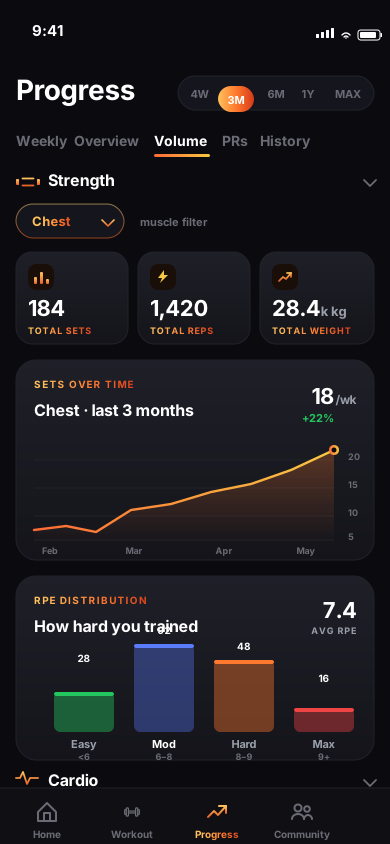
LiftHero won't diagnose overtraining — nothing in an app can — but it does make the early signs easier to spot. Because it logs your sets, reps, weight and RPE and lets you add soreness and readiness notes, you can see the objective trend: performance drifting down, effort rising at the same weights, or a stall that lines up with poor sleep and low motivation. Those patterns are what separate a normal off week from genuine under-recovery. To be clear about what the app is and isn't: LiftHero is the measurement layer, not a coach or a medical tool. It doesn't auto-generate or adjust your program, won't tell you you're overtrained, and won't schedule your rest — you make those calls, and the app helps you see the trend. Saving a full structured plan is an optional Hero feature.

LiftHero chart of performance over time used to spot stalls from under-recovery
LiftHero charts performance and effort over time, so a fatigue-driven stall stands out from a normal off day.

Frequently asked questions

What's the difference between overreaching and overtraining?

Overreaching is short-term accumulated fatigue you recover from within days to a couple of weeks. Functional overreaching is planned and you rebound stronger; non-functional overreaching drags on longer and stalls progress. True overtraining syndrome is rare, more severe, and can take much longer to resolve.

Am I actually overtrained?

Probably not. True overtraining syndrome is rare and mostly seen in high-level athletes pushing extreme loads. Most gym-goers who feel "overtrained" are simply under-recovered or overreached, which usually resolves with a deload, better sleep and nutrition.

What are the common signs of under-recovery?

Persistent fatigue, stalled or declining performance, poor sleep, low motivation, nagging joints, and sometimes an elevated resting heart rate. A cluster of these matters more than any single one on an off day.

How do I prevent overtraining?

Build in regular deloads, protect sleep, eat enough to support your training, and progress volume and intensity gradually rather than spiking. Managing life stress counts too, since fatigue is cumulative.

How long does it take to recover from overreaching?

Functional overreaching typically resolves within a few days to a couple of weeks of reduced training. Non-functional overreaching takes longer. True overtraining syndrome can take much longer and warrants professional guidance.

When should I see a professional?

If persistent fatigue, poor sleep, declining performance or other symptoms don't improve after backing off training and prioritising recovery, see a qualified coach or medical professional. This guide is education, not a diagnosis.
Catch under-recovery early

Log sets, reps, weight, RPE and soreness notes so a fatigue-driven stall shows up on a chart, not just in how you feel. Free on iOS.

Download on theApp Store

Free to start · No interruptive ads · 14-day Hero trial

This guide is educational and not medical advice. Consult a qualified coach or medical professional before starting or changing a training program.

By Meitar Lazimi, founder of LiftHero · Last updated July 9, 2026.