Learn · Nutrition

Protein Powder: Do You Need It?

Protein powder gets marketed like a muscle-building secret. It isn't. It's convenient, concentrated food — useful for hitting your protein target when cooking isn't practical, and nothing more. Here's what it actually is, the types, when it helps, and how to use it sensibly.

Protein powder is a convenient, concentrated food source of protein — not a magic muscle builder. You can hit your protein target with whole foods alone: meat, fish, eggs, dairy and legumes all count. A shake is simply faster and more portable than another meal, which makes it handy on busy days or when you consistently fall short of your target. Because it's food, you should count its protein and calories toward your daily total, just like anything else you eat. Pick a type you tolerate — whey, casein or plant — and use it to top up the gap between your meals and your daily protein target.

What protein powder really is

Strip away the packaging and protein powder is just dried, concentrated protein — milk, egg, or plant protein processed into a scoopable powder. That's it. It behaves like any other protein food in your diet, so the honest framing is that it's food, not a special performance product. It doesn't do anything a chicken breast or a bowl of Greek yogurt can't, gram for gram of protein. What it does offer is convenience: it's fast, portable, shelf-stable, and it makes hitting a higher protein target easier when cooking isn't practical. That convenience is real and worth something — but it's the whole benefit. If you already reach your daily protein target with meals you enjoy, you don't need powder at all.

Do you actually need it?

For most people, no — not strictly. Muscle is built by training hard, eating enough total protein, and recovering well, and whole food can supply all the protein you need. The question isn't "powder or no muscle," it's "is a shake more convenient than another meal for you?" If you're busy, travel a lot, or keep landing short of your target by dinner, a shake solves a genuine convenience problem. If your meals already cover it, save your money. Protein powder is best understood as a tool for a logistics problem — reaching your target on real-world days — not a biological requirement. It fits inside a solid nutrition for lifting plan; it doesn't replace one.

The main types of protein powder

The differences matter less than simply hitting your daily protein target. Pick the one that tastes fine, sits well with your stomach, and fits your diet.

TypeWhat it isBest for
WheyFast-digesting dairy protein; the most common optionMost people; quick post-workout or anytime shakes
Whey isolateMore filtered whey, lower in lactose and carbsThose sensitive to lactose or wanting leaner scoops
CaseinSlower-digesting dairy proteinA thicker shake or a protein source before a long gap
Plant blendsPea, rice, soy or a mix of plant sourcesVegans or anyone avoiding dairy
Egg proteinDairy-free animal protein from egg whiteDairy-free eaters who still want an animal source

How to use it to top up your daily protein

The right way to use protein powder is as a gap-filler — you cover most of your protein with food and use a shake to close whatever's left. The loop:

  1. Set your daily protein target. Base it on your bodyweight and goal — see the protein intake guide — and treat that number as what you're aiming to hit.
  2. Get most of it from whole food. Cover the bulk across your meals: meat, fish, eggs, dairy, legumes. This is the foundation.
  3. Find your daily gap. Add up what your meals actually provide and see how far short of the target you land on a typical day.
  4. Fill the gap with a shake. One or two scoops closes it when whole food is inconvenient — a shake beats cooking another meal on a busy day.

Then count it as food: include the protein and the calories in your daily totals. It's part of your diet, not a bonus that sits outside it — and there's no benefit to piling on shakes once your target is met.

Common protein-powder mistakes

Where LiftHero fits (and where it doesn't)

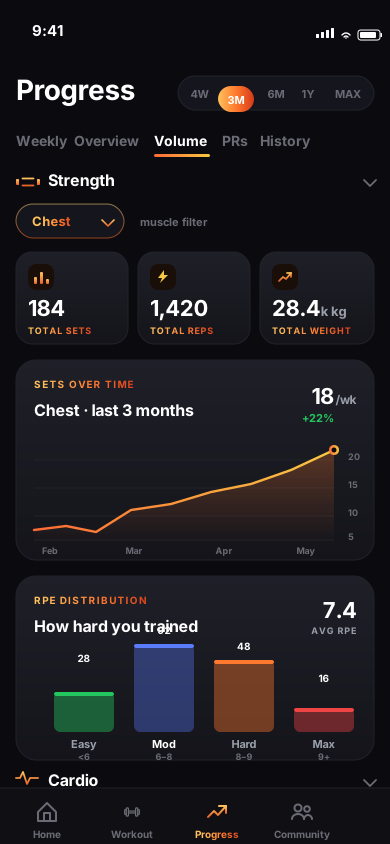
To be clear about what LiftHero does: it's a strength-training tracker. It logs your sets, reps, weight and RPE, charts your progress, and flags personal records — the training side, which is where muscle actually gets built. It does not track food, protein or macros, and that includes protein powder. So handle protein with whole food plus a shake to top up if you fall short, keep the rest of your nutrition solid, and use LiftHero to make sure the training that turns that protein into strength is progressing. If you want to add one evidence-backed supplement on top, creatine is the one worth reading about.

LiftHero progress chart tracking weight lifted over time
LiftHero tracks your training — sets, reps, weight and PRs — not food, protein or macros.

Frequently asked questions

Do I need protein powder to build muscle?

No. You can hit your protein target with whole foods alone — meat, fish, eggs, dairy and legumes all count. Protein powder is a convenient, concentrated food source of protein, not a requirement. It helps when whole food is inconvenient or you struggle to reach your target, but the same protein from a meal does the same job.

Is protein powder a supplement or food?

Think of it as food. It is dried, concentrated protein, so you should count its protein and calories toward your daily totals just like any meal. Calling it a supplement makes it sound magical, but it is closer to powdered milk or egg than to a special performance product.

Whey, casein or plant protein — which is best?

For most people it comes down to preference, tolerance and diet. Whey is fast-digesting and common; casein is slower; plant blends suit vegans or those avoiding dairy. All can help you hit your protein target. Pick the one that tastes fine, sits well with your stomach, and fits your diet — the differences matter less than simply reaching your daily total.

When is protein powder actually useful?

When it is genuinely more convenient than food — a busy day, no time to cook, or you consistently fall short of your protein target. A shake is quick and portable. If you already hit your target with meals you enjoy, you do not need it. It solves a convenience problem, not a biological one.

How much protein powder should I use?

Only as much as you need to close the gap between what your meals provide and your daily protein target. For many people that is one or two scoops on days they fall short. There is no benefit to piling on shakes beyond your target — extra protein is just extra calories once your needs are met.

Does LiftHero track protein or macros?

No. LiftHero is a strength-training tracker — it logs your sets, reps, weight and RPE and charts your training progress. It does not track food, protein or macros. Handle protein with whole food plus a shake if needed, and use LiftHero to measure the training side.
Sort the training, then the protein follows

Protein powder is just convenient food. The muscle comes from progressive training — log sets, reps, weight, RPE and PRs, free on iOS.

Download on theApp Store

Free to start · No interruptive ads · 14-day Hero trial

This guide is general education, not medical advice. Talk to a doctor before starting any supplement, especially with a health condition, if pregnant, or on medication.

By Meitar Lazimi, founder of LiftHero · Last updated July 9, 2026.